

The Illusion of Control
One of the primary reasons novice gamblers often find themselves losing money in casinos is their belief in the illusion of control. Many new players think that they can influence the outcome of games through strategies or specific actions, such as choosing lucky numbers or employing particular betting systems. This mindset can lead to overconfidence, prompting them to make riskier bets than they would otherwise consider prudent. In reality, most casino online games are designed to be random, heavily relying on chance rather than skill, which can catch inexperienced players off guard.
This misunderstanding can be particularly pronounced in games like slot machines and roulette, where outcomes are dictated by random number generators or spinning wheels. Novice gamblers may convince themselves that a win is just around the corner, leading them to cling to a losing streak long after rational judgment should have kicked in. Such behavior not only drains their bankroll but also perpetuates the cycle of loss, making it difficult for them to learn from their mistakes and adjust their strategies effectively.
Moreover, this illusion is reinforced by the environment of the casino, which is meticulously designed to keep players engaged and excited. The bright lights, sounds of winning machines, and enticing visuals create an atmosphere that can cloud judgment. In this heightened emotional state, novice gamblers are more likely to misinterpret outcomes, further entrenching their perception that they have control over their chances of winning. Recognizing these psychological traps is essential for new players who wish to navigate the gambling landscape more successfully.
Lack of Knowledge and Experience
Another significant factor contributing to novice gamblers’ losses is their lack of knowledge and experience regarding the games they are playing. Many newcomers approach gambling with little understanding of the rules or strategies that can greatly impact their play. For instance, someone new to poker might not grasp the importance of position or the nuances of bluffing, leading to poor decision-making during critical moments of the game. This lack of foundational knowledge can result in missed opportunities and financial losses.
This lack of knowledge extends to understanding the odds and house edge of various games. New players may not realize that some games, like blackjack, offer better odds than games like keno or slot machines, leading them to choose games that are less favorable to their long-term profitability. Without a solid grasp of the game mechanics and odds, novice gamblers may end up making bets that are statistically unlikely to yield a positive outcome, further deepening their losses.

Moreover, the social dynamics of gambling can complicate matters for inexperienced players. They may be influenced by more seasoned gamblers or feel pressure to make quick decisions, which can cloud their judgment and lead to impulsive betting choices. This combination of ignorance about game strategy and social influences often results in suboptimal betting choices, resulting in financial losses and frustration that could have been avoided with more education and understanding of the games they are engaging in.
Chasing Losses and Emotional Betting
A common pitfall for novice gamblers is the tendency to chase losses, which can lead to significant financial setbacks. After experiencing a few consecutive losses, new players often feel compelled to increase their bets in hopes of recovering their lost money. This emotional response can cloud their judgment, pushing them into a cycle of desperation-driven gambling where logic takes a backseat to emotion. The feeling of urgency to win back losses can lead to reckless behavior that further exacerbates their financial situation.
Chasing losses can cause novice gamblers to abandon their strategies or bankroll management principles. Instead of sticking to a pre-defined budget, they may irrationally push their limits in an attempt to win back what they’ve lost. This behavior is often fueled by the emotional highs and lows of gambling, where winning can feel euphoric, but losing creates a sense of urgency to act rashly, leading to even more significant losses. Understanding the psychological aspects of gambling is crucial for developing a healthier approach.
Additionally, the casino environment contributes to this emotional rollercoaster. The thrill of the games, combined with the social atmosphere, can lead to impulsive decisions. New players might engage in reckless betting or prolong their sessions far beyond what is financially responsible, all in the hopes of a swift recovery. Recognizing the dangers of chasing losses is essential for novice gamblers to develop a more measured approach to their gaming experience, focusing on enjoyment rather than solely on financial outcomes.
Ignoring Bankroll Management
Bankroll management is a crucial aspect of gambling that novice players often overlook. Many newcomers fail to set limits on how much they are willing to spend or lose in a session, which can lead to reckless gambling behavior. Without a clear budget in place, they are more likely to gamble beyond their means, significantly increasing the likelihood of losing money. A lack of discipline in managing funds can quickly lead to financial strain and unsustainable gambling habits.
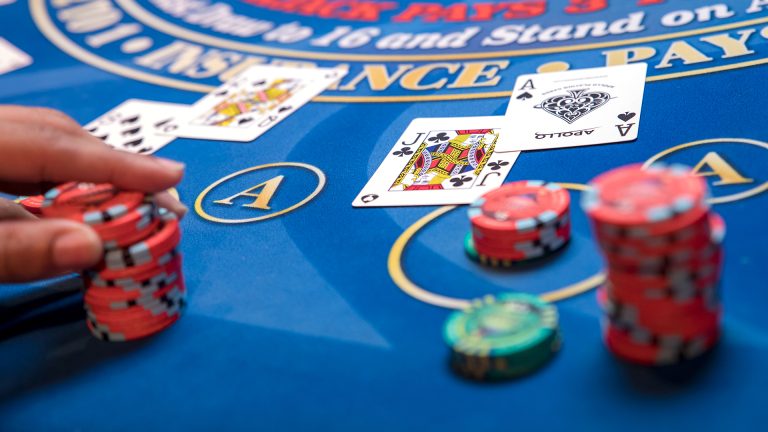
Effective bankroll management involves setting aside a specific amount of money for gambling purposes, determining betting limits, and adhering to these guidelines strictly. New gamblers might not realize that successful players often allocate their funds strategically, ensuring their playtime lasts longer and that they have a chance to win over an extended period. This structured approach helps in managing emotions and makes it easier to walk away when losses hit a certain threshold, enhancing the overall gambling experience.
Moreover, casinos are designed to encourage spending. The availability of credit, continuous play incentives, and the immersive atmosphere can easily lead players to lose track of their spending. Novice gamblers, without the experience to navigate these temptations, may find themselves gambling away more than they planned. Educating oneself on effective bankroll management techniques is essential for avoiding the pitfalls that lead to financial losses in the casino, ensuring a more responsible and enjoyable gaming experience.
Exploring Responsible Gambling Resources
In today’s digital age, there is an abundance of resources available to help novice gamblers understand the intricacies of gambling responsibly. Various websites and organizations are dedicated to educating players about the risks of gambling and providing them with tools to make informed decisions. These resources often include tips on bankroll management, game strategies, and the psychology of gambling, which are crucial for enhancing the overall gambling experience. Engaging with these materials can empower players to make smarter choices.
Moreover, many casinos themselves offer informational materials and programs focused on responsible gambling. They strive to create a safe environment where players are encouraged to gamble within their means. By utilizing these resources, novice gamblers can significantly reduce the chances of falling into the traps of emotional betting or chasing losses, enabling them to enjoy gambling as a form of entertainment rather than a source of stress and financial strain. This proactive approach can foster a healthier relationship with gambling.
Utilizing these responsible gambling resources not only improves knowledge and understanding of the games but also contributes to a positive gambling experience. By instilling the principles of responsible gambling, newcomers to the gaming world can build a solid foundation for long-term enjoyment while minimizing the risk of financial loss. Connecting with support networks and using educational tools will allow novice players to navigate the complexities of gambling with greater confidence and skill.